Cape Town AF Centre

Atrial Fibrillation (AF)

Although we treat all forms of cardiac arrhythmia, atrial fibrillation is the commonest and most confusing for patients, so here is some more information:

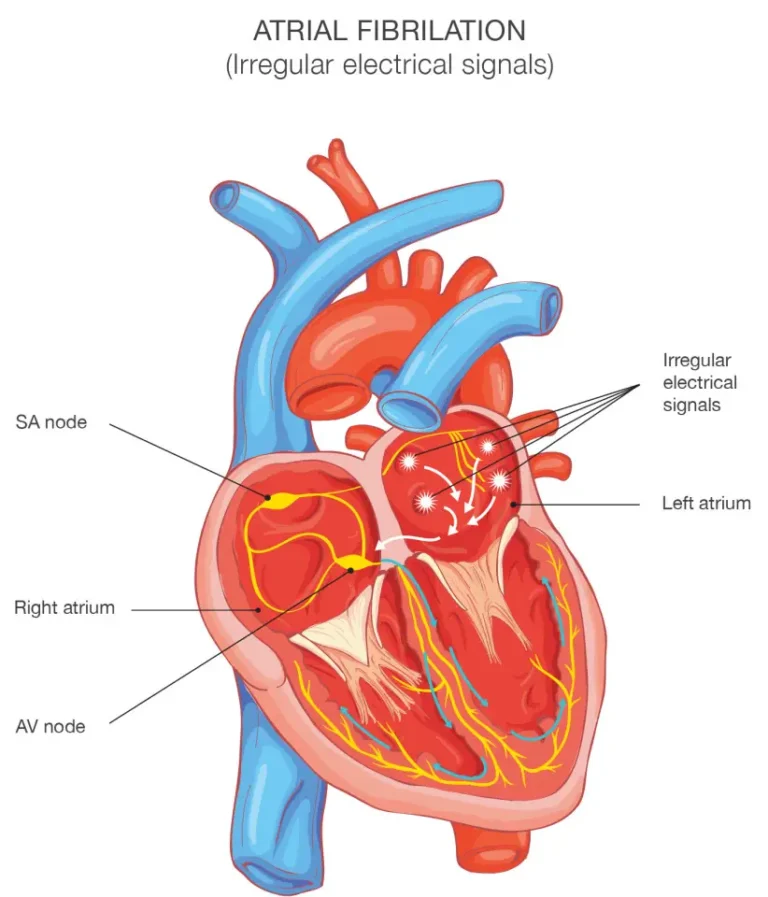
Atrial Fibrillation (AF) explained

Although we treat all forms of cardiac arrhythmia, atrial fibrillation is the commonest and most confusing for patients, so here is some more information.

Signs & Symptoms of AF

A rapid and irregular pulse is the commonest sign of AF and is usually the way in which it is discovered in people without any symptoms.

Tests to detect AF

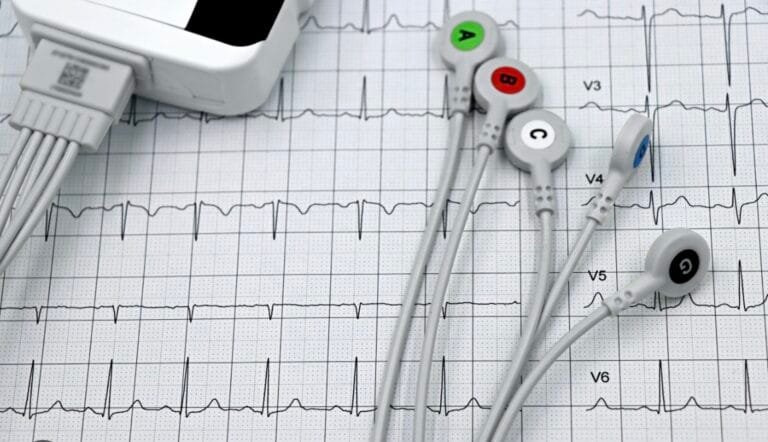
The most important thing is to confirm whether you do have AF or not. This is done by recording the electrical activity of the heart during your symptoms (or when your heart is fast and irregular if you do not have symptoms).

Causes of AF

The truth however is that it is rarely the fault of the patient – so do not blame yourself. AF is strongly associated with underlying cardiovascular problems such as high blood pressure, heart failure, coronary heart disease and valvular heart disease.

Treatment options for AF and other arrhythmias

We have more than one arrow in our quiver. AF can be treated with medication or ablation

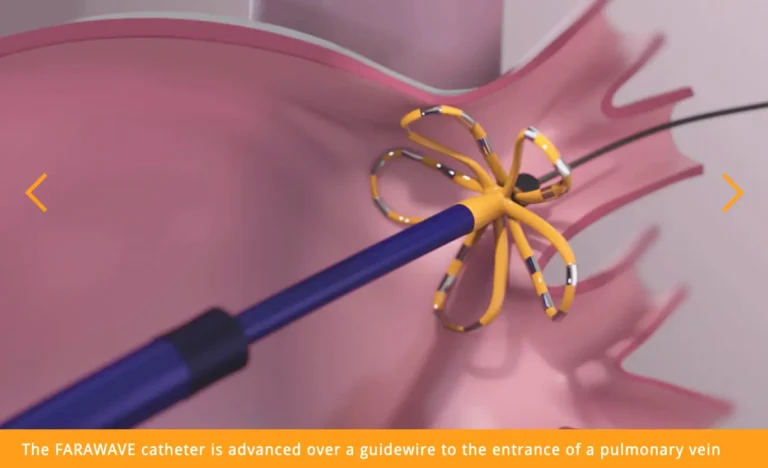
Catheter Ablation for arrhythmias

There are a number of different techniques used at the moment which are evolving rapidly. The latest technique involve electroporation (also known as pulsefield ablation) or cryo-ablation for atrial fibrillation and Radio-frequency (RF) ablation for AF and other arrhythmias.

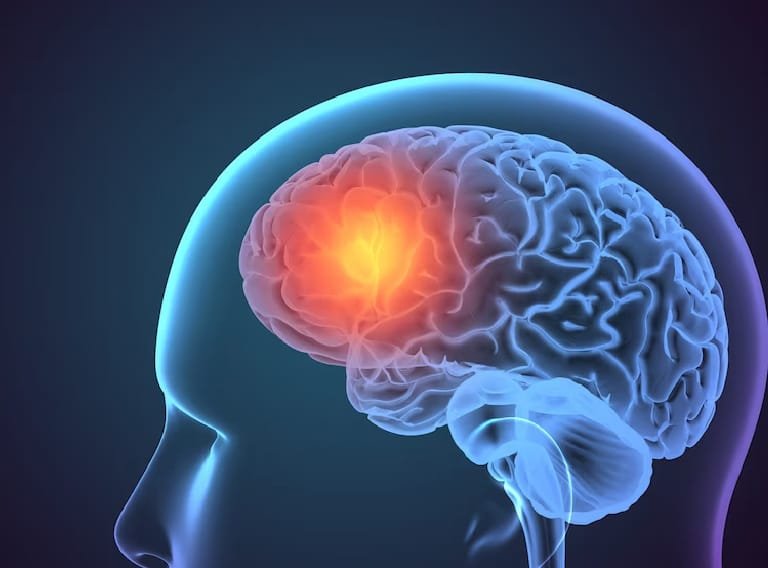
Jou hart, beroerte en antistol-middels

Wat is die verband tussen jou hart en beroerte, en waar pas antistolmiddels in? Een een aspirien per dag gaan nie beroerte keer nie.